Medical treatments

When a parasite is confirmed, targeted prescription antiparasitics are highly effective, often a single dose. They require a doctor's diagnosis and supervision, because the right drug depends on knowing exactly which parasite you have.
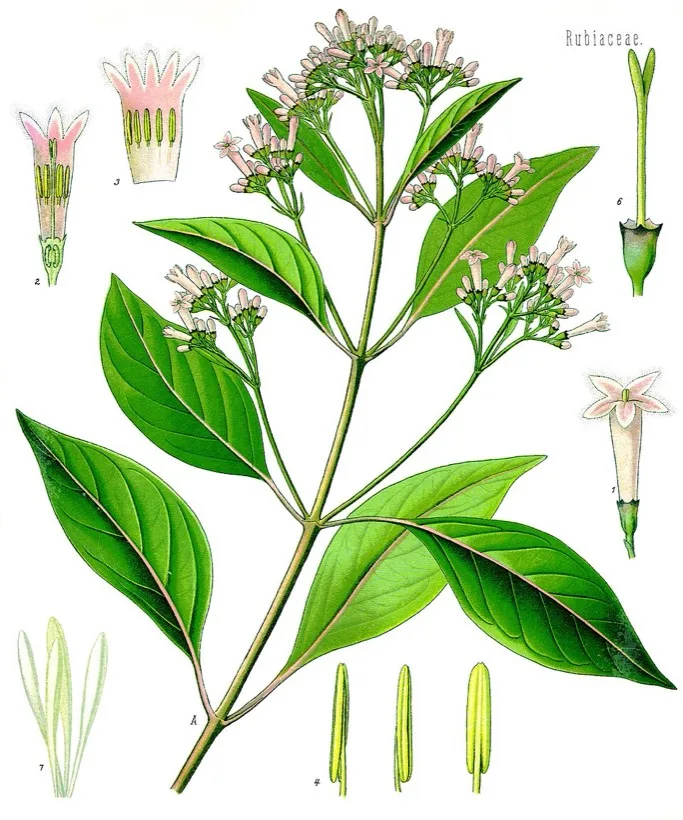
Cinchona officinalis botanical plate, source of quinine
Cinchona officinalis: cinchona bark gave us quinine, the plant origin of modern antiparasitic medicine.
Source: Köhler's Medizinal-Pflanzen · public domain
Prescription only

The medications below are described for education. They must be prescribed and dosed by a clinician based on a confirmed diagnosis, your weight, and your medical history. Doses vary, and self-medicating with antiparasitics can be harmful.

01, The medications Standard antiparasitics

The drugs doctors actually prescribe

Most parasitic infections are treated with one of a handful of well-established medications. Many work in a single dose. Your clinician chooses based on the specific organism identified.

MedicationTargetsTypical regimenMechanism
AlbendazoleRoundworms, hookworms, tapeworms, whipwormsSingle dose or 3-day courseBlocks worm glucose uptake
MebendazolePinworms, roundworms, hookworms, whipwormsSingle dose or 3-day courseInhibits microtubule formation
PraziquantelTapeworms, flukes, schistosomiasisSingle weight-based doseDisrupts calcium balance in the worm
IvermectinStrongyloides, onchocerciasis, some ectoparasitesSingle dose or as directedParalyzes parasite nerve/muscle
MetronidazoleGiardia, Entamoeba histolytica5–10 day courseDamages protozoal DNA
NitazoxanideGiardia, Cryptosporidium3-day courseBlocks anaerobic energy metabolism
02, By type Treatment by parasite type

Different parasites, different playbooks

Treatment falls into broad groups. What matters is matching the drug to the organism, and confirming it actually worked.

Intestinal worms

helminths

Roundworms, hookworms, pinworms, whipworms, and tapeworms usually respond to albendazole, mebendazole, or praziquantel. For pinworms, clinicians often treat the whole household and repeat the dose after two weeks to catch newly hatched eggs.

Protozoan infections

single-celled parasites

Giardia and amoebiasis (Entamoeba histolytica) are typically treated with metronidazole; nitazoxanide is an option for Giardia and Cryptosporidium. Amoebiasis often needs a follow-up "luminal" agent to clear cysts from the gut.

Follow-up testing

confirming the cure

For several infections, a repeat stool test a few weeks after treatment confirms the parasite is gone. Don't assume success from feeling better alone, some parasites can persist or recur and need a second round.

03, What to expect Side effects & management

Common side effects, and when to call

Antiparasitics are generally well tolerated, especially short courses. Most side effects are mild and pass quickly.

Usually mild

Nausea, general GI upset, headache, and dizziness are the most common reactions and typically resolve as treatment ends. Taking medication with food (as your clinician directs) can ease stomach symptoms.

When to call your doctor

Contact your clinician for severe or persistent vomiting, signs of an allergic reaction (rash, swelling, trouble breathing), severe abdominal pain, or any symptom that alarms you. Watch for drug interactions, tell your doctor about every medication and supplement you take, including herbal products.

Don't tough it out

When natural remedies aren't enough

Seek medical treatment for a confirmed diagnosis, high fever, bloody stool, severe dehydration, or significant weight loss, and for any symptoms in a child, a pregnant person, or someone immunocompromised. Some infections, such as neurocysticercosis (cysts affecting the brain), need urgent specialist care and should never be managed with home remedies.

04, Partnership Working with your doctor

Make the visit count

A focused conversation helps your clinician choose the right test and treatment faster.

Bring the facts

Come with a symptom timeline (when each started, how it's changed) and a travel history, including any untreated water, raw or undercooked food, and animal contact.

Ask the right questions

Ask which test best fits your symptoms, whether you need more than one sample, and how any supplements you take might interact with treatment.

Integrative care

Many people use diet and supportive measures alongside prescribed treatment. That's reasonable when it complements, not replaces, confirmed medical care, and your clinician knows about it.

Next steps

Confirm first, then treat

Get the right diagnosis, and keep track of how treatment is going.

Diagnosis & testing Download a treatment log (PDF)