Natural remedies

Many of these have centuries of traditional use and some have early clinical support, but few match the trial evidence behind pharmaceuticals. We grade each one honestly so you know exactly what stands behind it.

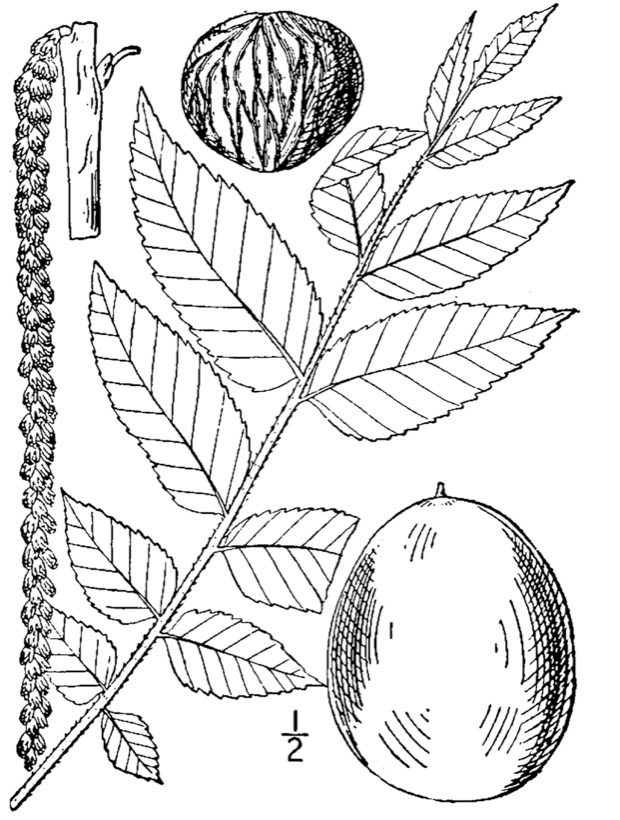
Juglans nigra (black walnut) botanical illustration
Juglans nigra: black walnut, a traditional vermifuge whose green hull is a staple of herbal cleanses.
Source: USDA-NRCS / N.L. Britton · public domain
Important, read first

These remedies may support parasite removal, but they should complement, not replace, proper medical treatment. Several of the herbs below are unsafe in pregnancy or interact with common medications. Always confirm a diagnosis and talk to your provider before starting anything here. When in doubt, test before you treat.

How we grade

The evidence scale

Every remedy card below carries one of these three badges, so you can weigh tradition against actual data at a glance.

Some evidence Early clinical or lab studies suggest a real effect.
Traditional use Long historical use, but little or no modern trial data.
Limited / contested Evidence is weak, mixed, or actively disputed.
The remedies

Common natural anti-parasitics

The most widely used botanicals, foods, and supplements, with their active compounds and honest grading.

Traditional use

Wormwood

Artemisia absinthium

A bitter herb used for centuries against intestinal worms. Its thujone content is also what makes it risky in excess.

ACTIVE: thujone, ⚠ avoid in pregnancy

Some evidence

Pumpkin seeds

Cucurbita pepo

A gentle, food-based traditional tapeworm remedy with some supporting research behind its paralysing effect on worms.

ACTIVE: cucurbitacin

Some evidence

Papaya seeds

Carica papaya

Ground papaya seeds have shown anti-parasitic activity in small regional studies, especially against intestinal worms in children.

ACTIVE: benzyl isothiocyanate

Traditional use

Garlic

Allium sativum

A folk anti-parasitic across many cultures, prized for its broad antimicrobial sulphur compounds.

ACTIVE: allicin

Traditional use

Clove

Syzygium aromaticum

Traditionally paired with wormwood and black walnut, cloves are believed to target parasite eggs.

ACTIVE: eugenol

Some evidence

Berberine

Plant alkaloid

A well-studied alkaloid from goldenseal, barberry, and others, with research on protozoa such as Giardia.

ACTIVE: berberine, ⚠ drug interactions

Traditional use

Oregano oil

Origanum vulgare

A potent botanical oil used short-term for gut support. Strong and irritating, so it is not for prolonged use.

ACTIVE: carvacrol / thymol, short-term only

Traditional use

Black walnut hull

Juglans nigra

The green hull is a classic tincture ingredient in traditional Western parasite formulas.

ACTIVE: juglone

Traditional use

Neem

Azadirachta indica

A cornerstone of Ayurvedic medicine, used for its bitter leaf compounds with anti-parasitic lab activity.

ACTIVE: nimbidin / azadirachtin

Some evidence

Probiotics & gut health

Beneficial microbiota

A robust microbiome helps crowd out invaders and supports recovery; some strains show benefit alongside treatment.

ACTIVE: live cultures (multi-strain)

Traditional use

Anti-parasitic diet

Dietary approach

Cutting sugar and processed foods while loading up on high-fibre and fermented foods is the traditional dietary foundation of any cleanse.

ACTIVE: low sugar · high fibre + fermented foods
Protocols

Common cleanse protocols

Illustrative protocols grouped by type. These are summaries of traditional and popular regimens, not dosing instructions. Confirm anything you try with a qualified practitioner.

ProtocolKey ingredientsOverviewEvidence note
Wormwood complexWormwood + black walnut + cloveThe classic three-herb formula, run 2–4 weeks.Traditional; use thujone caution.
Black walnut tinctureJuglans nigra hull2–3 drops, 2–3× daily, for 2–4 weeks.Juglone & tannins; folk remedy.
Papaya seed cleanseGround papaya seedsAbout 1 tbsp/day for 7 days, repeated monthly.Some regional efficacy in studies.
Pumpkin seed protocolRaw pumpkin seeds~300g raw on an empty stomach, then a laxative 2 hrs later.Traditional tapeworm remedy.
Neem leaf extractAzadirachta indicaCapsules or tea for 2–4 weeks.Ayurvedic; in-vitro studies only.
ApproachMechanismDurationNotes
Anti-parasitic dietStarves parasites of sugar; supports gut.2–4 weeks+Cut sugar & processed foods; high fibre.
Enzyme cleanseDigestive enzymes may break down worm cuticle.2–4 weeksBromelain + papain, between meals.
Coconut oil protocolMedium-chain fats with antimicrobial action.OngoingCaprylic & lauric acid; build dose slowly.
Fermented foods resetRepopulates beneficial gut bacteria.OngoingSauerkraut, kefir, kimchi, yoghurt.
High-fibre flushBulks stool to help sweep the gut clear.1–2 weeksPsyllium, flax, chia; plenty of water.
SupplementActive compoundTypical useCaution
BerberineBerberine alkaloid500mg, 2–3× daily.Drug interactions; not in pregnancy.
Oregano oilCarvacrol / thymolDiluted, with meals.Short-term only; very irritating.
Diatomaceous earthFood-grade silica1–2 tsp daily, 2–4 weeks.FOOD-GRADE ONLY: never industrial.
Myrrh extractCommiphora molmolStandardised extract per label.Some clinical trials; avoid in pregnancy.
Grapefruit seed extractGSE bioflavonoidsDiluted drops per label.Contested efficacy; possible adulterants.
Traditional context

Traditional medicine systems

Cultures worldwide have their own anti-parasitic traditions. We share these for historical and cultural context, not as an endorsement. Some, like artemisinin, went on to earn rigorous scientific validation; others are dangerous and survive only as folklore.

Traditional Chinese Medicine

TCM

Uses areca seed (bing lang), lei wan (a fungus), agrimonia, and torreya seeds, often combined for tapeworms and intestinal worms.

Ayurveda

Indian traditional medicine

Centres on vidanga, kutaja, neem, and triphala, sometimes within a broader Panchakarma detoxification programme.

African traditional

Indigenous African medicine

Source of Artemisia annua: its derivative artemisinin is now WHO-approved for malaria, alongside cryptolepis for fevers and infection.

European folk

Western herbalism

Historically used wormwood, tansy, male fern (now known to be toxic, historical only), and pomegranate bark against worms.

Russian / Slavic

Eastern European folk

Favoured pumpkin seeds taken with honey, and birch tar preparations, as household anti-parasitic remedies.

Budget reality

What a cleanse costs

Costs swing enormously depending on the route you take. Here is a realistic range, from a do-it-yourself dietary change to a residential retreat.

ApproachLowHighWhat's included
DIY dietary only$50–100$200Grocery changes, basic fibre, fermented foods.
Herbal supplement kit$80–150$300–500Pre-packaged herbal protocol + supplements.
Functional medicine consult + testing$500–1,000$2,500–5,000Practitioner visits, stool/comprehensive testing.
Medical / prescription$20–100$500–1,000Doctor visit + prescription (low with insurance, high without).
Retreat / residential cleanse$2,000$10,000+Multi-day supervised stay, meals, protocols.
Never use this

Chlorine dioxide (MMS / CDS) is industrial bleach

It is not a cleanse. The FDA warns that drinking chlorine dioxide solutions causes severe vomiting, dangerous dehydration, acute liver failure, and life-threatening drops in blood pressure. There is no legitimate evidence it treats parasites of any kind. We list it here for one reason only: to warn you away from it.

Next steps

Treat smart, not hard

Whatever route you choose, two things make the biggest difference: confirming there is actually something to treat, and rebuilding your gut afterwards so results last.

Plan your post-cleanse recovery Test before you treat
Beginner Cleanse Protocol PDF · FreeA gentle step-by-step first cleanse. The 30-day meal plan, grocery list, die-off and herbal safety guides are all free in the download library.
Download protocol